

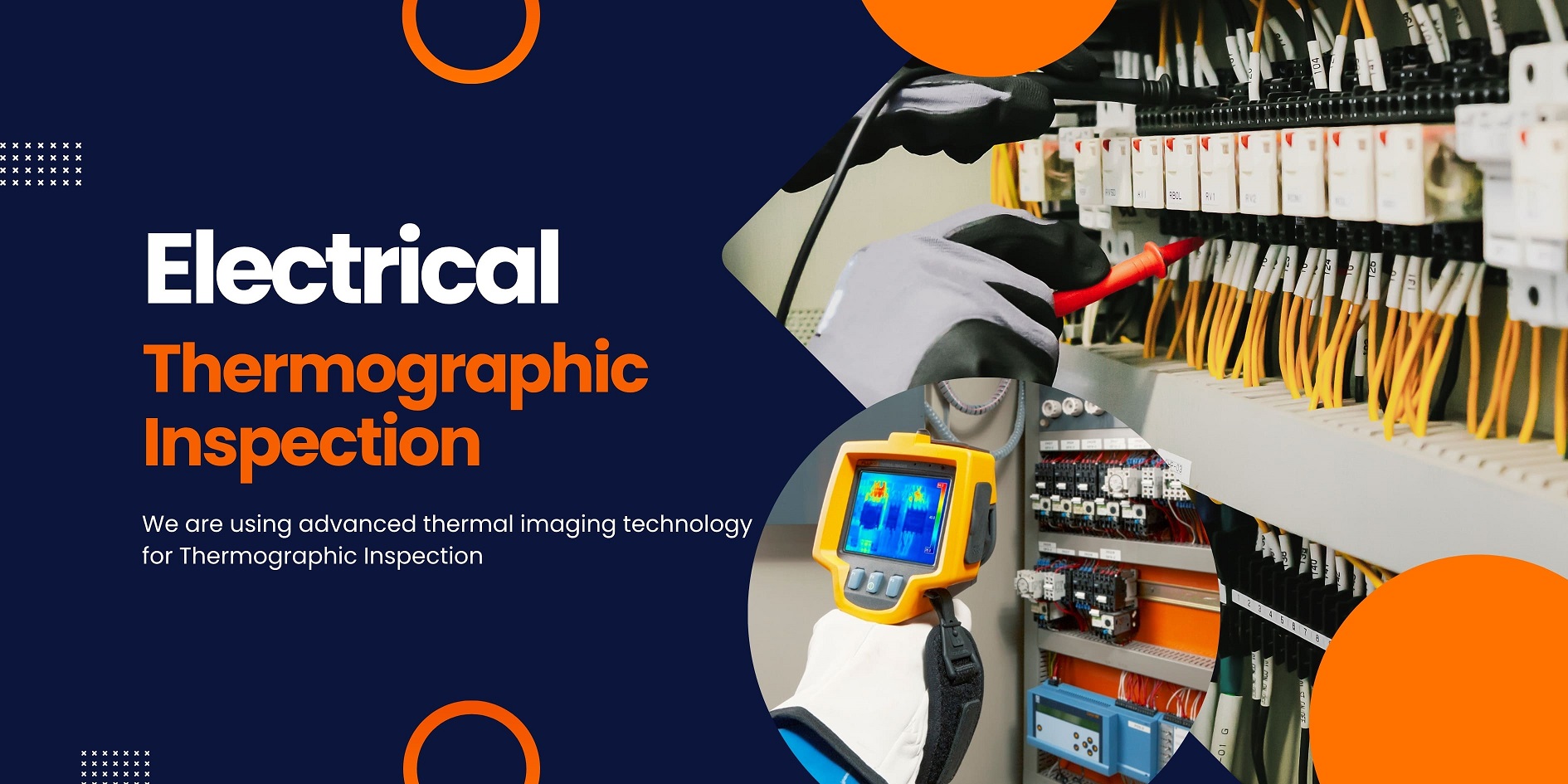
Electrical Thermographic Inspection
Electrical thermographic inspection – also known as infrared thermography or electrical thermal imaging inspection – is a proactive preventive maintenance and safety service that uses infrared cameras to scan live electrical installations for hidden heat anomalies. By visualizing heat patterns in panels, switchboards, motors, transformers and other electrical equipment, thermography pinpoints loose connections, overloads, and failing components long before they cause downtime or fires.
At Authentic Engineering Bangladesh (AEB), our certified thermographers employ the latest thermal imaging inspection technology and industry best practices to detect and document potential electrical hazards invisible to the naked eye. This service – often called a thermographic survey or thermal imaging inspection – complements a full electrical safety audit and helps ensure safe, reliable electrical systems.
What Is Electrical Thermographic Inspection?
Thermographic inspection of electrical installations is a non-contact diagnostic test using infrared (IR) cameras to measure temperature variations across energized electrical equipment. Every electrical circuit and connection generates some heat, but excessive heating is a warning sign of problems.
Infrared thermography detects these abnormal hot spots – for example, a loose lug, corroded contact, or overloaded circuit – by capturing detailed thermal images. In practice, a trained AEB thermographer will systematically scan your switchgear, panelboards, motors, transformers, cable splices, and other key components while they are carrying load. Modern infrared cameras can detect temperature differences as small as 0.1°C, making infrared thermographic inspection extremely sensitive to early faults.
By answering the question “what is thermographic inspection?” we can say: it is an electrical infrared inspection technique that identifies abnormal heat before equipment failure. IR cameras “see” this heat as color-coded thermograms, instantly highlighting trouble spots. In short, electrical thermography transforms invisible electrical hazards into visible thermal patterns – enabling early intervention.
Why Choose Thermographic Inspection? (Benefits & Applications)
Thermographic testing is one of the best proactive solutions for electrical safety and reliability. There are several key reasons to include thermographic inspection of electrical panels, switchboards and installations as part of your maintenance program:
- Prevent Electrical Fires and Failures: Studies show electrical faults cause roughly 20–30% of industrial fires. Overheated lugs, terminals, or cables are common ignition sources. Because thermal anomalies often appear weeks or months before a fire or arc flash, an infrared scan can catch them early.
- Avoid Costly Downtime and Repairs: Catastrophic failures can halt operations for days, causing huge losses. In one case, a loose bus-bar in a live panel caused an arc flash that destroyed equipment and cost over $2 million in losses. A single $400 infrared scan at that plant could have identified the critical hot spot long before it failed. We help you avoid such disasters.
- Non-Invasive, No Shutdown Needed: Unlike some tests that require power interruptions, thermographic inspection is non-destructive and performed with equipment energized. As experts advise, all IR scans must be done under load (typically ≥40% of rated current) to reveal true problem areas. Our certified inspectors work safely on live systems (with appropriate PPE), capturing rapid scans of entire electrical rooms without production stoppage.
- Improve Energy Efficiency: Hidden faults waste energy. For example, loose connections and unbalanced phases generate excess heat that dissipates wasted power. Thermal imaging pinpoints these inefficiencies so they can be corrected.
- Ensure Regulatory & Insurance Compliance: Many insurance carriers and industrial standards now require routine thermal scans. For instance, NFPA 70B (2023) elevates infrared inspection to a mandatory electrical maintenance practice. AEB provides full thermal inspection reports with all critical data (equipment ID, load conditions, ambient temp, etc.) included, so you have defensible evidence of diligence in safety audits.
In summary, an electrical thermographic inspection catches faults before failures. It protects personnel and property from arc flashes and fires, reduces emergency repairs, and provides peace of mind that your electrical system is sound.
Common Electrical Hazards Detected
A thermal inspection uncovers a range of electrical hazards that, if unaddressed, pose serious risks. Typical faults and issues revealed by infrared include:
- Loose or Corroded Connections: Vibrations and thermal cycling can loosen lugs, terminals or connectors. These then overheat dramatically. On an IR scan, a bad connection shows as a bright hot spot (often in one phase only) at joints, fuse clips or breaker contacts.
- Overloaded Circuits and Unbalanced Phases: Circuits carrying too much load or poorly balanced across three-phase systems heat up uniformly or unevenly. Overloads in panels or MCCs often appear as one phase much hotter than others. Thermography easily spots these by comparing phase temperatures.
- Failing Breakers and Components: Worn contactors, aging breakers or defective fuses exhibit internal resistance and heat. Thermal scans reveal abnormally hot breakers or disconnect switches that might otherwise seem normal.
- Insulation Breakdown: Insulation failure raises conductor temperature; an IR camera will highlight the difference. Early detection avoids unexpected arcing and fire.
- Faulty Motor Systems: Electric motors, drives and bearings can overheat from electrical or mechanical faults. Hot spots on motor windings, bearing caps or drive electronics warn of bearing failure or imbalance.
- Transformer & Capacitor Hot Spots: Loose tap-changers, partial winding shorts, or failing capacitors show up as uneven heating on transformer bushings or capacitor cans.
- Other Hot Connections: Any hidden splice, junction box, or fuse holder can carry a hidden hazard. Thermography maps heat on all terminal blocks, compression lugs and wire nuts in circuits, flagging even small problem areas.
By detecting these hazards early, a thermographic survey prevents them from escalating. For instance, high-resistance connections – the leading ignition source for electrical fires – can be corrected during scheduled maintenance rather than causing an emergency outage.
Scope of Thermographic Inspection Services
AEB’s electrical thermography inspection covers all critical parts of your electrical distribution system. Our checklist includes:
- Executive Summary: Key highlights and overall safety status.
- Main Switchgear & Bus Ducts: We scan primary distribution panels, circuit breakers and bus bars through infrared windows. Loose main bus connections and stabs are checked under load.
- Distribution Panels and Motor Control Centers (MCCs): Incoming and outgoing feeders, breakers, neutral bars and panelboards are thermally imaged. Overloads in panelboard circuits or MCC buckets are identified.
- Transformers & Power Electronics: Transformer bushings, tap changers, cooling fins and capacitor banks are inspected. We watch for core or winding hotspots and failing capacitor sections.
- Electrical Panels & Switchboards: Every fuse holder, breaker terminal, and lug in control panels is scanned. Thermographic inspection of electrical switchboards and panels ensures that even hidden terminals are fault-checked.
- Motors, Drives & Generators: Large motors, Variable Frequency Drives and generators are targeted. We look for uneven heat patterns in motor windings or bearings, and hot spots on drive inverters.
- Cable Splices and Junctions: Power cable terminations, splices, and connector blocks get attention. IR finds high-resistance crimps and deteriorating joints that an electrician might otherwise miss.
- Ancillary Equipment: UPS systems, battery banks, and any other live electrical devices are included if needed. Essentially, our thermography surveys any energized component specified in your electrical safety audit.
This thermographic survey scope ensures a thorough evaluation of your facility’s entire power distribution network. We use a detailed electrical thermography checklist during the inspection to document every location. After scanning, all images and findings are compiled into a formal thermographic inspection report. If desired, we can integrate this as part of a broader Electrical Safety Audit of your plant – linking thermal data with other safety assessments.
Electrical Safety Audit Integration
While focused on infrared scanning, a thermographic inspection dovetails with a full Electrical Safety Audit. The scope of an electrical safety audit commonly includes visual inspection of wiring, protective devices, earthing, and documentation review. Thermographic inspection complements this by adding an extra layer of insight. Hot spots detected in our IR survey highlight risks that may not be evident in an audit checklist (like loose lugs hidden behind panels).
In many plants, thermography is one module of an overall safety program. It helps verify that equipment identified as “high risk” in an audit has not degraded thermally. Also, after implementing audit recommendations (e.g. tightening connections or improving ventilation), a follow-up IR scan can confirm those fixes are effective.
AEB can bundle thermographic surveys with electrical safety audits for a comprehensive service. We provide all relevant electrical safety documents – from audit reports to electrical drawings and our IR report – creating a unified record of your compliance and maintenance history. This full documentation is often required by regulators and insurance companies, and it proves due diligence in implementing general safety regulations.
Electrical Thermography Standards and Regulations
Bangladesh does not yet have a specific local code for infrared surveys, global best practices apply. Key references include:
- NFPA 70B (Maintenance of Electrical Systems): The 2023 edition makes thermal imaging an enforceable practice. It requires at least annual infrared inspections of general electrical equipment, and semi-annual scans for critical systems. NFPA also recommends using IR viewing windows on medium/high-voltage panels to allow safe scanning.
- NETA MTS (Standard for Maintenance Testing Specifications): This standard provides detailed thermography protocols (load criteria, emissivity, reporting) that we follow during every scan.
- IEC and Local Codes: We align with relevant IEC standards (e.g. IEC 61823) and consider any Bangladesh Factory/Building Code provisions on electrical safety. If your facility has an internal safety guideline or an insurer’s checklist, we can integrate those requirements too.
By following these electrical thermal imaging standards, AEB ensures your thermographic inspection is compliant and defensible.
AEB’s Electrical Thermographic Inspection Services
As a leading electrical engineering firm in Bangladesh, AEB brings certified expertise to thermographic inspection:
- Expert Technicians: Our team includes trained electrical engineers and Level II thermographers. They deeply understand electrical systems and can interpret subtle thermal patterns to diagnose faults.
- Advanced Equipment: We use high-resolution infrared cameras (FLIR, Fluke etc.) with diverse lenses. Our gear can scan small control panels or large substations with equal precision.
- Tailored Programs: Whether you need a one-time survey or an ongoing thermography program (monthly, quarterly, or annual), we create a schedule matched to your critical equipment. We can also set up automated maintenance workflows – for example, integrating findings into a CMMS and planning follow-up inspections.
- Comprehensive Reporting: You’ll receive a detailed electrical thermographic inspection report customized to your needs. It includes annotated thermal images, temperature readings, severity ratings and corrective recommendations. This electrical thermographic inspection report serves as an official record for auditors and insurers.
- Safety Focus: We always perform scans under strict safety protocols. When inspecting live panels, we use IR windows or proper PPE to protect staff. Safety is our priority at every step.
- Bangladesh Expertise: As local professionals, we understand the conditions and regulatory environment in Bangladesh. We can advise on compliance with the Bangladesh National Building Code (BNBC) or Bangladesh Factories Act as it relates to electrical safety.
In short, AEB offers best-in-class thermographic inspection services. Our clients include factories, commercial buildings, power plants, and any facility with significant electrical infrastructure. We ensure their operations run safely and efficiently.
Electrical Thermographic Inspection Checklist
To summarize, an AEB electrical thermographic inspection covers all of the following:
-
Inspect all electrical switchboards, panels, MCCs, breakers and fuses under normal load
-
Scan primary distribution equipment (bus bars, connections) through IR viewing windows
-
Image motors, pumps, transformers, capacitors and critical cables
-
Check all bolted connections, lugs and splices for hot spots
-
Record ambient conditions and equipment load for each scan
-
Document all findings with high-resolution thermal images and annotations
-
Generate an Electrical Thermography Test Report with thermal images and findings
-
Provide guidance on next steps (tightening, repairs, retesting)
This comprehensive thermal imaging inspection covers your entire electrical installation as needed. It effectively extends the scope of a visual safety audit into the thermal domain.
Latest Technology and Trends
At AEB, we stay current with the latest thermographic techniques. Modern IR cameras now integrate features like high-contrast IR palettes, digital zoom, and even smartphone connectivity. We regularly update our procedures – for instance, recent NFPA 70B updates have tightened thermography requirements (as noted in industry sources). We also offer optional “thermographic condition monitoring,” where repeat scans can be analyzed over time to spot trends.
If you’re looking for the latest thermographic inspection practices, ask us about our pilot programs. For example, we can set up thermal imaging checkpoints that are scanned monthly by your maintenance team, while our professionals perform a full thermographic survey annually. This hybrid approach maximizes coverage and uses your resources efficiently.
Stay ahead of problems with AEB – your partner for electrical safety and thermography.