
Electrical Energy Audits
Electrical energy audits (also called energy assessments) are systematic evaluations of how electrical power is consumed in buildings, factories, and infrastructure. Auditors analyze electricity usage patterns, inspect equipment, and recommend improvements to reduce waste and costs. By identifying inefficient equipment, wiring issues, or poor power management, an audit highlights opportunities to save energy and improve reliability. In Bangladesh and around the world, such audits are considered a key tool for energy conservation and cost control.
In practice, an electrical energy audit often begins with data collection and meter analysis. Using smart meters and digital instruments, auditors record voltage, current, and power factor readings across circuits. Authentic Engineers Bangladesh (AEB) auditors use Advance principles at any facility, from manufacturing plants to residential buildings.
Why Conduct an Electrical Energy Audit?
- Cost Reduction: Audits uncover wasteful usage and inefficiencies (e.g., overloaded motors, unbalanced loads, or outdated lighting) that can be corrected to lower energy bills. Even simple fixes like adjusting setpoints or replacing a few inefficient motors can yield significant savings.
- Regulatory Compliance: In Bangladesh, large power consumers (“designated consumers”) must conduct energy audits every three years and submit findings to SREDA. Complying with standards such as ISO 50001 (which enforces a Plan-Do-Check-Act cycle for continuous improvement) is also encouraged.
- Operational Reliability: Identifying electrical issues before failures (hotspots, loose connections, etc.) helps prevent downtime and safety hazards. Energy audits often overlap with electrical safety audits, ensuring wiring and panels meet safety regulations.
- Environmental Sustainability: Reducing electricity use cuts carbon emissions and supports corporate sustainability goals. Energy audits lay the groundwork for greener operations.
- Long-Term Planning: Audits provide a detailed report and recommendations, forming the basis for ongoing energy management and capital investment decisions.
Conducting an energy audit is not just a one-time event; it provides the benchmark data for continuous efficiency improvements and operational excellence.
Energy Audit Standards and Guidelines
Energy audits follow recognized standards and best practices. Internationally, the ISO 50001 standard guides energy management systems, emphasizing continuous improvement of energy performance. Bangladesh has also developed regulations and programs:
- SREDA (Sustainable and Renewable Energy Development Authority): Governs energy efficiency in Bangladesh. SREDA publishes energy audit guidelines and mandates audits for major energy users.
- BERC (Bangladesh Energy Regulatory Commission): Oversees energy audits of power plants and large facilities. With support from USAID and NARUC, BERC implemented an Energy Audit Manual to benchmark power plant efficiency.
- Certified Energy Auditors: The government certifies auditors to ensure compliance with national standards. Hiring a certified energy auditor in Bangladesh guarantees that audits meet legal and quality requirements.
Authentic Engineers Bangladesh (AEB) electrical energy auditors are fully certified and follow both national electrical energy audit guidelines and international best practices. This includes preparing a structured electrical energy audit checklist covering all aspects of the facility and ensuring electrical safety compliance.
Scope of Electrical Energy Audits
An electrical energy audit examines all aspects of electrical power use within a facility. Key areas include:
- Electrical Distribution: Inspecting panels, switchgear, and distribution boards to ensure balanced loading and proper wiring. Auditors adjust and calibrate metering equipment to accurately capture usage data.
- Power Quality: Measuring power factor, harmonic distortion, voltage sags/swells, and other quality metrics. Poor power quality can waste energy and damage equipment.
- Lighting Systems: Assessing lighting efficiency (bulb types, controls, occupancy sensors) and designing upgrades to LED or automated systems.
- Motors and Drives: Evaluating the efficiency of electric motors and drives. Replacing or retrofitting motors can yield large savings.
- HVAC and Equipment Loads: While focusing on electrical aspects, audits also note major energy uses like HVAC fans/pumps. Identifying unnecessary loads (e.g., machines left idle) reduces consumption.
- Electrical Safety Checks: Auditing wiring integrity, insulation, grounding, and protective devices to prevent hazards (arc flash, short circuits) during the audit process.
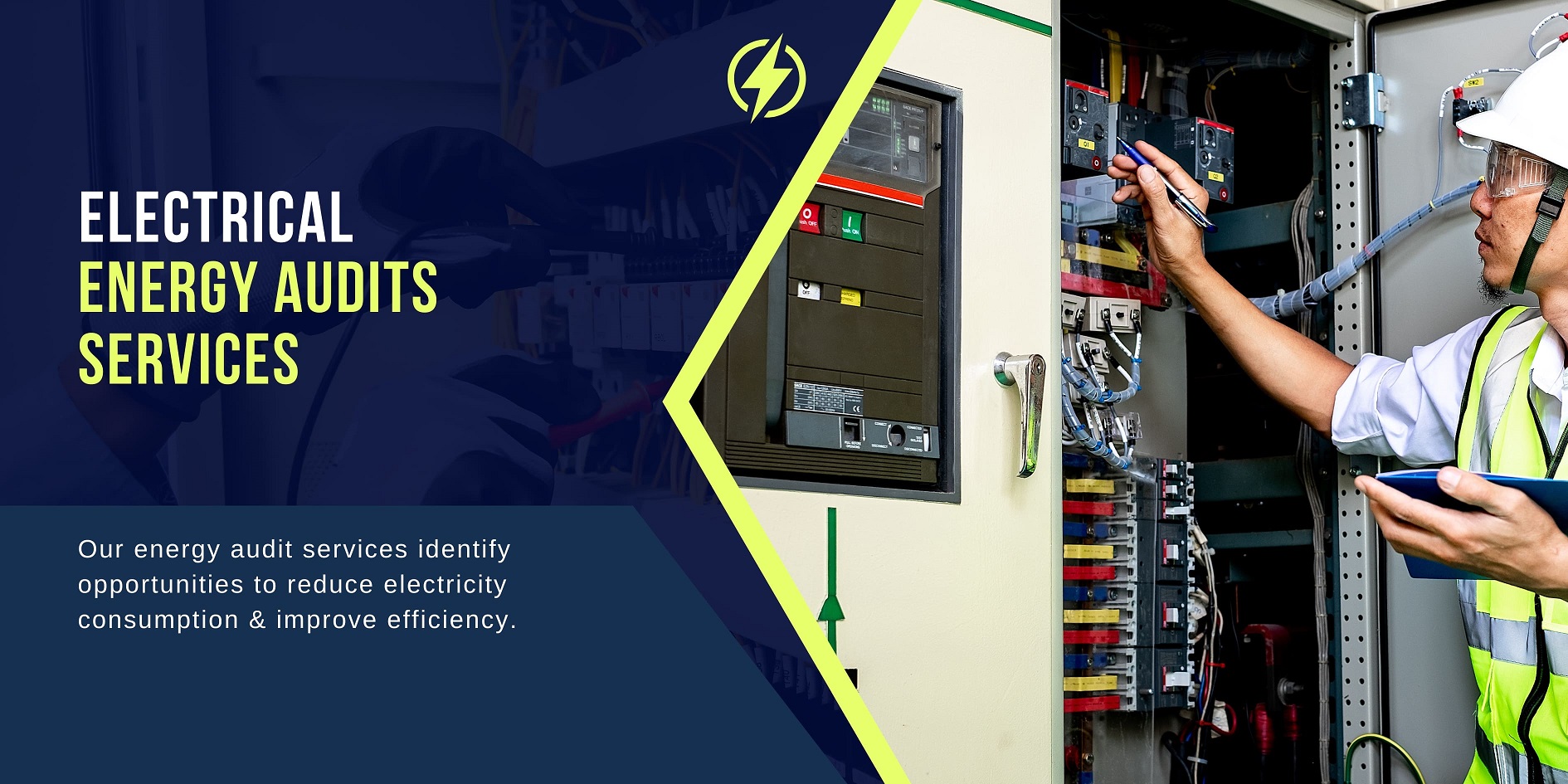
During a site audit, Authentic Engineers Bangladesh (AEB) engineers may physically inspect meter panels to verify readings and identify discrepancies. For example, multiple meters might be checked under full load to ensure accurate recording of usage. This detailed inspection helps spot inefficiencies – like unmetered loads or faulty transformers – that contribute to excess electrical energy use.
Electrical Energy Audit Checklist
A well-prepared checklist ensures no critical area is missed:
- Measurements: Use instruments (power analyzers, dataloggers, thermal cameras) to measure actual electrical loads, power factor, harmonics, and equipment performance under various conditions.
- Safety Verification: Check electrical safety compliance (e.g., NFPA 70E standards) to protect the audit team and equipment.
- Report Outline: Document all findings, including baseline usage, identified savings opportunities, cost-benefit analysis, and implementation plan.
- Pre-Audit Data: Collect all utility bills, production logs, and facility drawings.
By following this structured approach, auditors maintain consistency and thoroughness. An electrical energy audit checklist might also highlight common items like transformer inspections, sub-metering installations, and lighting retrofit analyses.
Electrical Energy Audit Process
The audit process typically follows these stages:
Preliminary Analysis
Before visiting the site, auditors review historical data. This includes analyzing past energy bills, production schedules, and previous maintenance records. Creating a preliminary energy flow diagram helps identify major energy inputs and outputs.
-
Energy Usage Records
Collect 2–3 years of electricity and fuel bills, along with production statistics.
1.1 Data Collection
Auditors gather key documents and data: -
Environmental and Operational Data
Review climate records (e.g., temperature, humidity) and facility schedules, since these affect energy use.
On-Site Survey
Authentic Engineers Bangladesh (AEB) electrical energy auditors visit the facility to verify data and observe operations. Instruments record voltages, currents, and temperatures. Data loggers may run through a full operating cycle to capture typical loads and demand patterns.
Detailed Analysis
Using the collected data, auditors perform calculations and simulations. They pinpoint energy losses, inefficient motors, or power quality issues. For instance, identifying a low power factor can lead to recommendations for capacitor installations.
Reporting and Recommendations
A comprehensive report is prepared, detailing findings and quantified savings opportunities. Recommendations may include equipment upgrades, maintenance improvements, control strategies, and timelines. The report also covers electrical energy audit frequency, suggesting how often audits should recur (typically every 3-5 years or as mandated by regulation).
Home Energy Audit Assessment
While most energy audits focus on industrial or commercial sites, residential home energy audits are also crucial. Authentic Engineers Bangladesh (AEB) offers assessments for homeowners, evaluating insulation, lighting, appliances, and electrical systems. Using tools like blower doors and thermal imaging, our auditors identify leaks and inefficiencies in homes. By improving home energy use, households save money and enjoy greater comfort.
Choosing a Authentic Engineers Bangladesh (AEB) Auditor
Authentic Engineers Bangladesh (AEB) is the best energy auditor in Bangladesh is key to a successful audit. AEB is an established electrical audit firm in Bangladesh with certified energy auditors on staff. Our team has the technical expertise and local experience to meet Bangladesh’s energy audit guidelines. As a trusted electrical audit firm, we help clients qualify for incentives by providing recognized, compliant audit reports.
- Expertise & Experience: AEB’s engineers have completed numerous audits across industries (textile, pharmaceuticals, food processing, etc.).
- Certified Professionals: Our energy audit team includes SREDA-certified energy auditors, ensuring compliance with all regulatory standards.
- Customized Solutions: We tailor recommendations to each client’s context, balancing cost savings with operational needs.
- Comprehensive Services: From initial feasibility to final report and implementation support, AEB offers end-to-end audit services.
- Local Insight: As a Bangladesh-based firm, we understand local energy issues, utility tariffs, and government programs.
We combine international best practices with local knowledge to deliver actionable energy audits and measurable savings.
Authentic Engineers Bangladesh (AEB) – Energy Audit Experts
Don’t let inefficiencies drive up your electricity bills. Whether you operate a factory, an office, or a home, Authentic Engineers Bangladesh (AEB) Electrical Energy Audit services will identify opportunities to save energy and cut costs.