
Electrical Arc Flash Studies
Electrical arc flash is one of the most dangerous hazards in any industrial or commercial facility. An arc flash is a sudden electrical explosion that occurs when current jumps through the air between conductors or from a conductor to ground. This violent event releases an immense amount of energy in an instant – including intense heat, light, pressure waves, and flying debris.
Electrical arc flash hazards include severe burns, blindness, hearing loss, respiratory damage, and blast injuries. Studies show most arc flash burn injuries are caused not just by heat, but by ignition of flammable clothing.
Electrical arc flash safety is a vital part of any comprehensive arc flash electrical safety program. Protecting personnel and equipment requires understanding what causes electrical arc flash events, assessing risk levels, and implementing both engineering and administrative controls.
What Is an Electrical Arc Flash?
An electrical arc flash is defined as the explosive release of energy caused by an electrical current flowing through the air between conductors. In simpler terms, when electricity leaves its intended pathway (for example, due to a fault or short circuit), it creates an ionized plasma arc that can instantly release massive energy. In those milliseconds, an arc flash can generate extreme heat, bright light, toxic gases, and an intense pressure wave. The effects include:
- Extreme Heat: Temperatures can exceed 35,000 °F (∼19,400 °C). At these temperatures copper and steel vaporize, metals melt, and nearby materials ignite.
- Intense Light (Flash): The blinding flash can cause vision damage or temporary blindness.
- Pressure Wave (Arc Blast): A supersonic blast can knock workers off ladders, rupture eardrums, and hurl molten shrapnel. Often the blast causes blunt trauma or internal injuries.
- Flying Debris: Vaporized metal and equipment fragments become projectiles.
- Toxic Fumes: Vaporized insulation or metals can produce hazardous gases and smoke.
Common Causes of Electrical Arc Flash
Understanding what causes electrical arc flash is key to preventing it. Most arc flash events stem from predictable, preventable issues in electrical systems. Common causes include:
- Accidental Contact: Dropping tools or loose metal objects into live equipment can create a fault. For example, an electrician’s wrench or screwdriver bridging two conductors can trigger an arc.
- Worn or Damaged Insulation: Deteriorating cable insulation or wire insulation can allow unintended current paths and arcing.
- Loose or Corroded Connections: Electrical connections that are loose, corroded, or improperly made can overheat and arc under load. In Bangladesh and other markets, many fires and arc faults originate from loose connections and in-line arcing.
- Equipment Failure: Aging switchgear, relays, or circuit breakers may fail internally, creating an arc. Faulty breakers or worn mechanical parts can spark arcs when opening or closing.
- Dust, Moisture, or Contamination: Conductive dust, moisture, or debris on electrical equipment can create unintended arc paths. For instance, dust or corrosion bridging a small gap can start an arc flash.
- Human Error: Inadequate procedures, improper maintenance, or bypassing safety measures (e.g. failing to lockout/tagout) often lead to unsafe live-work and arc flash incidents. OSHA notes that claiming equipment is “de-energized” without full lockout/tagout compliance often results in unexpected live arcs.
Arc Flash Hazard Assessment and Analysis
Preventing arc flash incidents requires a systematic assessment and analysis of the electrical distribution system. This is often called an arc flash study or audit. An arc flash assessment is a comprehensive review of a facility’s electrical systems to identify potential arc flash hazards. Key steps in an arc flash analysis include:
- Collection: Gather detailed data on the electrical system – one-line drawings, short-circuit currents, breaker trip settings, cable sizes, transformer ratings, etc. On-site inspections verify that the actual equipment matches the documentation.
- Short-Circuit and Protection Coordination Study: Calculate available fault currents and how fast protective devices clear faults. Coordination studies ensure that breakers and relays operate in the correct sequence and minimal time to reduce arc energy.
- Incident Energy Calculation: Using industry-standard models (such as IEEE 1584), calculate the incident energy (in cal/cm²) at different points (panels, switchgear, motors). This determines the thermal energy a worker could be exposed to at a given working distance.
- Arc Flash Boundary Determination: Calculate the arc flash boundary – the distance within which the incident energy meets a specified threshold (usually 1.2 cal/cm²) for a second-degree burn. This defines safe approach distances.
- Labeling and Documentation: Mark equipment with arc flash labels that show the incident energy, working distance, required PPE, and shock hazard information. Compile an arc flash report summarizing all calculations, hazard categories, and recommendations.
- Review and Update: NFPA 70E recommends reviewing arc flash studies at least every 5 years or after significant system changes. This ensures calculations remain accurate as equipment is added or modified.
By performing an electrical arc flash analysis, engineers quantify the hazards and determine the protective measures needed. This is often called an electrical arc flash assessment or audit. The results enable selection of proper PPE (arc flash suit, gloves, etc.), labeling, and safety procedures.
Arc Flash Protection and Safety Controls
Once hazards are identified, robust arc flash protection strategies must be implemented. These include a combination of engineering controls, administrative controls, and PPE:
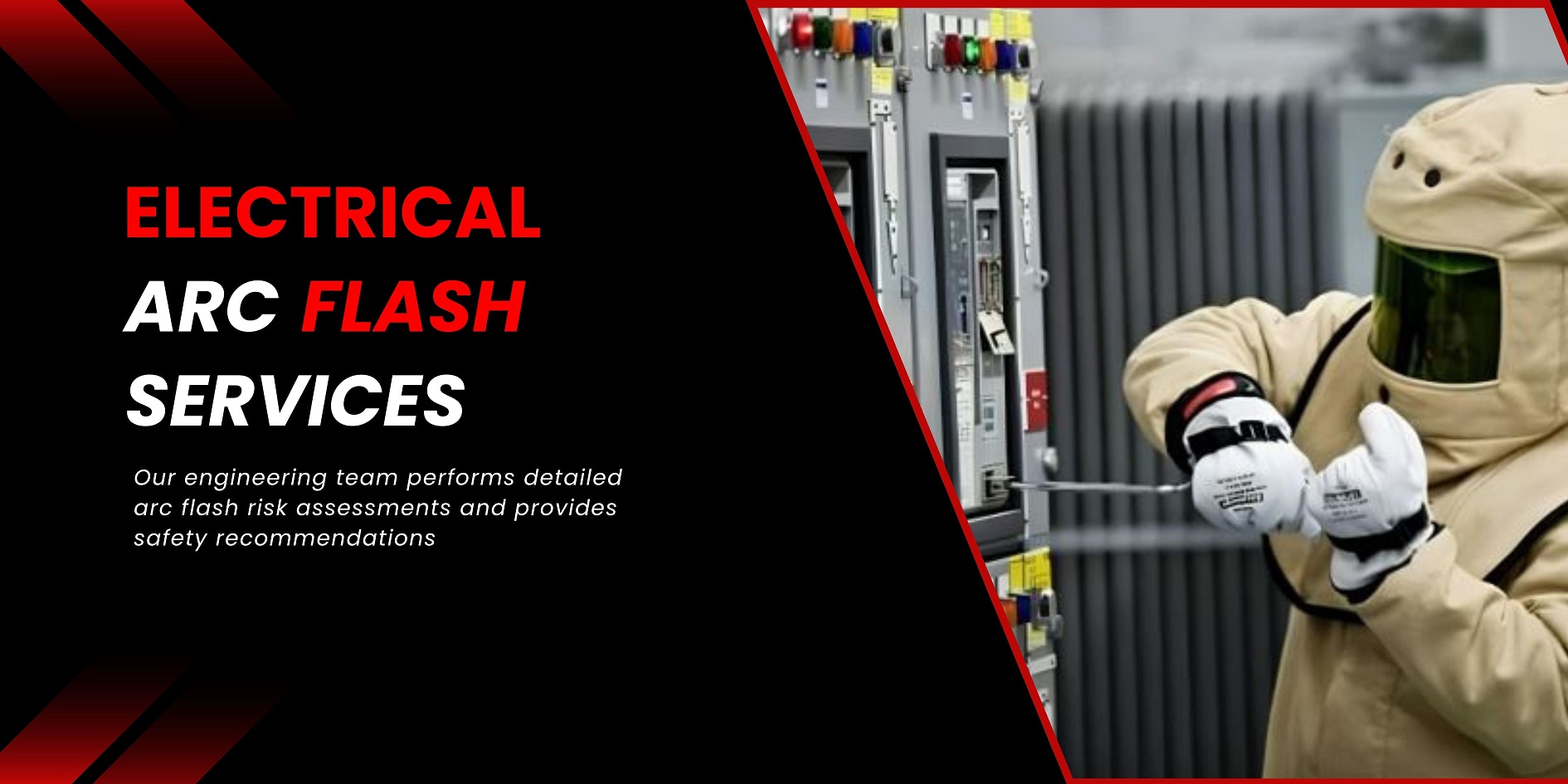
- Personal Protective Equipment (PPE): Workers must wear arc-rated (AR) clothing and gear. This includes an electrical arc flash suit or coverall, arc-rated face shield/hood, hard hat, insulated gloves, and hearing protection.
- Engineering Controls: Wherever possible, eliminate the hazard. This includes installing arc-resistant equipment or barriers, remote racking systems for breakers, and arc fault breakers.
- Administrative Controls: Implement safe work practices. This includes strict lockout/tagout (LOTO) procedures to ensure equipment is de-energized before work, and clear boundaries and permits for energized work.
Scope of Arc Flash Protection Services
AEB (Authentic Engineering Bangladesh) provides a comprehensive arc flash protection service package, tailored to meet regulatory requirements and protect personnel. Our scope includes everything from survey to remediation:
Site Inspection and Data Collection
AEB engineers conduct a thorough site visit to gather data. This includes:
-
Visual Inspection of Electrical Components.
We physically inspect panels, switchgear, transformers, cables, and connections for loose parts, overheating signs, or code violations.
-
Detailed System Documentation.
We record system ratings, breaker settings, transformer specs, conductor sizes, and coordination data. This may involve reviewing one-line diagrams, maintenance logs, and equipment manuals.
-
Equipment Labeling and Identification.
We verify and update equipment identification (IDs) on panels and junction boxes. Proper labeling ensures accurate input for analysis and clear warnings (e.g., “Arc Flash” stickers with hazard category).
Electrical Modeling and Analysis
Using the collected data, we model the power system in engineering software. This involves:
-
Performing short-circuit analysis to calculate available fault currents.
-
Conducting protective device coordination studies to verify breaker/relay settings.
-
Running arc flash incident energy calculations (per IEEE 1584 / NFPA 70E) to determine hazard levels at each location (bus, panel, motor starter).
Reporting and Documentation
After analysis, we provide:
-
Arc Flash Study Report.
A detailed document that includes all calculations, incident energy levels (in cal/cm²), arc flash boundaries, and required PPE for each piece of equipment. This report is essential for compliance and internal safety records.
-
Arc Flash Labels.
Professionally printed labels for each panel and cabinet that indicate the incident energy level, corresponding PPE category, shock hazard voltage, and other safety data.
-
Electrical Safety Documentation.
We supply any necessary documentation such as hazard analysis summaries, PPE selection matrices, and work procedure updates. These arc flash documents help satisfy regulatory audits and form the basis of your electrical safety program.
Benefits of Professional Arc Flash Protection
Investing in arc flash protection brings significant benefits:
- Protect People: The foremost benefit is saving lives and preventing injuries. Adequate PPE and hazards controls drastically reduce burn and blast injuries.
- Regulatory Compliance: Many safety codes (NFPA 70E, OSHA, BNBC electrical provisions) require arc flash hazard analysis and PPE. Non-compliance can lead to fines and liability.
- Reduced Downtime and Damage: Arc flash events can destroy equipment. Proper protective devices and quick detection limit damage. The cost of a single arc flash incident (equipment rebuild, lost production, legal claims) can reach millions.
- Insurance and Liability: Demonstrating an active arc flash safety program can lower insurance premiums and protect the company from negligence claims.
- Improved Reliability: The arc flash assessment often uncovers other electrical issues (overloaded breakers, insufficient clearance, improper wiring). Fixing these improves overall power system reliability.
In summary, arc flash protection is not just “red tape” – it’s a vital part of electrical safety and risk management that pays for itself by preventing disasters.
Key Arc Flash Documents
Proper documentation is a critical part of arc flash safety. Key documents include:
-
Arc Flash Study Reports.
Detailed hazard analysis reports with calculations, assumptions, and results.
-
Incident Energy Labels.
Affixed to panels and equipment, showing the calculated energy (cal/cm²), arc flash boundary, and PPE required..
-
PPE Audit Records.
Documentation that the required arc flash PPE (suits, helmets, gloves, etc.) is in place and rated correctly.
-
Work Permits and Procedures.
Written procedures for “live” electrical work, including risk assessments and PPE checklists.
-
Training Records.
Proof that workers have been trained on arc flash awareness and PPE usage.
These electrical safety documents demonstrate to regulators and insurance companies that you have an active electrical safety program. They also serve as reference for engineers and safety managers. AEB can help prepare or review all of these documents, ensuring they meet general safety regulations and industry guidelines.
Why Choose AEB for Arc Flash Protection?
Authentic Engineering Bangladesh (AEB) is a leading electrical safety audit and consultancy firm in Bangladesh. Our team of certified electrical engineers has extensive experience with arc flash hazard analysis and protection solutions. We offer:
- Expertise in Local Industry: We understand Bangladesh’s industrial and regulatory context, including BNBC, FSCDA requirements, and international standards (NFPA, IEEE).
- Comprehensive Service: From initial inspection to analysis to PPE selection and training, AEB covers the full arc flash safety lifecycle.
- Cutting-Edge Tools: We use modern software and measurement tools to accurately model your electrical system and perform electrical arc flash calculations to IEEE 1584 standards.
- Actionable Results: Beyond reports, we provide clear recommendations (e.g. equipment upgrades, protective devices) and help implement solutions to mitigate arc flash hazard.
- Reputation for Safety: Our clients trust us to deliver reliable risk assessments. We have helped numerous factories and facilities meet the strictest safety requirements and protect their employees.
Arc Flash Protection Services We Provide
-
Arc Flash Risk Assessment and Study
identify hazards, calculate incident energy, set boundaries.
-
Arc Flash Labeling
design and install warning labels on panels and switchboards.
-
PPE Selection Guidance
advise on arc-rated clothing, gloves, helmets (electrical arc flash suit and gear) for your hazard levels.
-
Electrical Safety Audit
comprehensive audit of all electrical safety aspects, including arc flash, grounding, and lockout/tagout.
-
Infrared (Thermographic) Scanning
detect hot spots and failing connections that could lead to arcing.
-
Training and Consultancy
teach your staff how to work safely, interpret labels, and respond to electrical hazards.
AEB’s Electrical Arc Flash Protection service ensures that your facility has the knowledge, documentation, and controls to prevent arc flash incidents. We partner with you to create a safer workplace, reduce liability, and comply with all relevant codes.